
Why Social Media Marketing Matters for Small Businesses
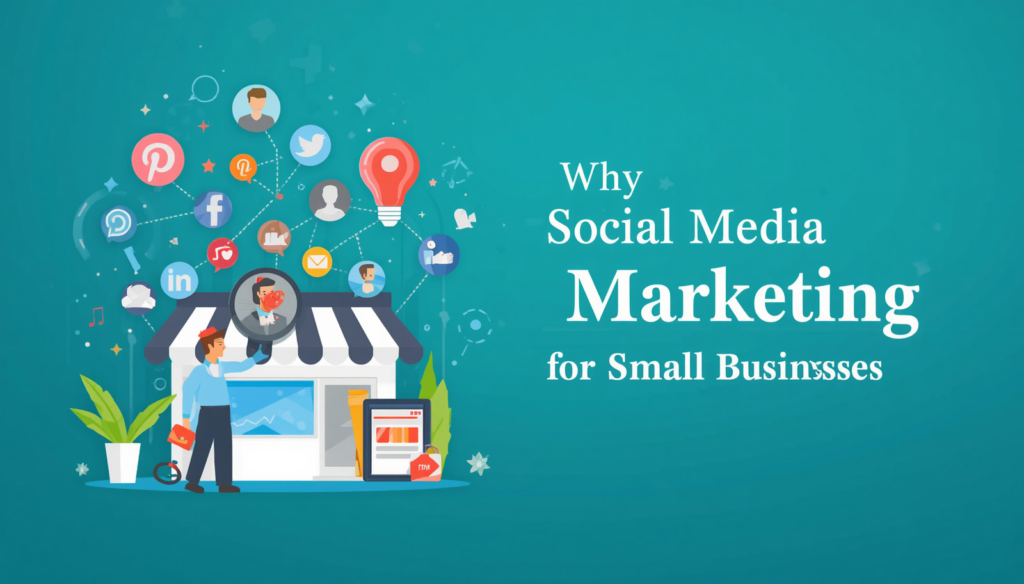
In today’s digital age, it’s hard to scroll through a phone for more than a few minutes without running into a small business trying to connect with people online. A local bakery showing off the morning’s fresh bread, a boutique owner going live to unveil new arrivals, a freelancer sharing quick tips to grow their followers— it’s everywhere now. Social media marketing has quietly become one of the most powerful tools a small business can use, and it didn’t happen overnight. It crept in slowly, platform by platform, until ignoring it simply stopped being an option.
What makes social media marketing so different from traditional advertising is the kind of relationship it creates. A newspaper ad talks at people once and then disappears. Social media marketing keeps talking — showing up in someone’s feed day after day, building familiarity, and eventually earning trust. For small businesses working with tight budgets, that kind of ongoing presence is worth more than almost anything money alone can buy.
Social media marketing has a major benefit – it helps people know about your business. If nobody knows you exist, they won’t buy from you. But with social media, even a small business can reach a lot of people without spending a lot of money. If you post things regularly and share stuff that people are actually interested in, they’ll start to remember your business. And that’s exactly when you want them to – when they’re about to make a decision to buy something.
Platforms like Instagram and Facebook make it easy for small businesses to get their name out there and be seen by thousands of people. By being consistent and sharing relevant content, you can make your business more well-known and increase the chances of people choosing you when they need something.
Social media has changed the way businesses interact with their customers. It’s no longer just about a company sending out a message and hoping someone listens. Now, customers can talk back and expect a response. They can comment on posts, ask questions, and share things with their friends.
This back-and-forth conversation is where trust is built, and it happens one interaction at a time. It’s a two-way street, not just a one-way message. Businesses can use social media to connect with customers in a way that feels personal and real.
This can lead to stronger relationships and a sense of loyalty. When customers feel heard and understood, they’re more likely to trust a business and keep coming back. Social media makes it possible for businesses to have these kinds of conversations and build trust with their customers.
For smaller companies, trust is really important because people like to support businesses they feel a personal connection with. When you share everyday moments, like what’s happening behind the scenes, or recognize a customer who’s been loyal, it makes your brand feel more real and relatable. Even owning up to a mistake can be a good thing, as it shows you’re honest and transparent.
This kind of authenticity is hard for big companies to match, and it’s exactly what social media marketing can help smaller businesses achieve. By being genuine and true to who you are, you can build loyalty with your customers, rather than just trying to make a quick sale.
The cost is a major factor to consider. Traditional advertising methods like TV, radio, and print ads can be really pricey. And the thing is, they often end up reaching people who just aren’t interested in what you’re offering. But targeting changes the game. With Facebook and Instagram ads, businesses can narrow down their audience by location, age, interests, and even browsing habits. This means that marketing dollars are being spent on people who are actually likely to make a purchase.
This level of precision is a big reason why social media marketing has become the go-to strategy for small business owners who are careful with their budget – and let’s be real, that’s most of them. By using social media, businesses can make the most of their marketing dollars and reach the people who are most likely to be interested in their products or services.
Having a strong presence on social media is not just about getting likes, it’s also a way to drive traffic to your website. When you share something new, like a product photo, a blog post, or a special offer, and include a link, you’re giving your followers a direct way to visit your site. This can lead to more people looking at your site, which can then turn into more inquiries, sales, and even loyal customers.
If you combine this with sharing content that’s actually useful to people, like videos that teach them something, quick tips that make their lives easier, or honest looks at what goes on behind the scenes, your business starts to feel more like a trusted source of information rather than just someone trying to sell them something.
This helps build trust with your followers and can make them more likely to come back to your site again and again. By using social media in this way, you can create a connection with your followers that goes beyond just selling them something. You can show them that you’re a business that cares about helping them and providing them with value, which can lead to a loyal customer base and ultimately, more sales.
Paying attention to what customers are saying is a really valuable part of running a business.
When people leave comments, reviews, or send messages, they’re basically giving you feedback on what they think, without you even having to ask. You might find out that people really like a product, but they wish it came in different sizes. Or maybe the checkout process is confusing, and that’s stopping people from buying. This kind of feedback is free, and you get it right away, which is a big advantage. But a lot of business owners don’t realize how useful it is until they start actually listening to what their customers are saying. By paying attention to this feedback, you can make changes to improve your business and make your customers happier.
It’s a simple thing, but it can make a big difference.
This change is just one example of how social media marketing is reshaping how small businesses work every day.t. These days, many people prefer to send a quick message rather than wait on the phone for a long time to talk to someone. When businesses respond quickly and are helpful, they build trust with their customers, and that can make a big difference. News about good or bad service spreads fast, so it’s really important for small businesses to get it right. This change is just one example of how things are different now for small businesses and how they work every day.
When you look at your posts, you also get to see the data that comes with them – things like how many people saw it, how many people interacted with it, and how many people clicked on it. This data is really useful because it shows you what’s actually working, rather than just what you think is working. For example, you might find that short videos do better than just posting photos. Or, you might see that people are more likely to engage with your posts on weekday mornings than on weekend afternoons.
All of this information is right there in the analytics, waiting to help you make a plan that’s based on facts, not just guesses. A lot of small businesses find that this is where they can make the biggest improvements, because instead of just guessing what will work, they can start making decisions based on real numbers and data.
Video content is dominating social media feeds and shows no signs of slowing down. Platforms like Reels, TikTok, and Stories are consistently outperforming traditional photo posts when it comes to engagement. The good news for small businesses is that you don’t need a lot of fancy equipment to create effective video content – just a smartphone and some creative ideas.
By showing your products in action or giving your audience a behind-the-scenes look at your business, you can create a more personal connection with them than you could with a polished ad. This approach can help you build trust and rapport with your customers, and it’s a great way to showcase your brand’s personality. Plus, with the rise of video content, it’s easier than ever to get started and see results, even with limited resources.
As a student of digital marketing, I’ve learned that social media marketing is more complex than just sharing images and waiting for results. It’s really about grasping how people interact online, developing content that has real value, and fostering genuine connections rather than just focusing on accumulating followers.
The companies that excel in this area are those that maintain a consistent approach, think outside the box, and have a clear understanding of their goals. They know how to create content that resonates with their audience and build trust with their customers. By being consistent and creative, businesses can establish a strong online presence and achieve their marketing objectives.
With more and more of our daily lives moving online, having a strong social media presence is no longer a luxury…. It’s not about having a huge team or a massive budget, but about being consistent, listening to your audience, and using data to make informed decisions.
The most successful small businesses aren’t necessarily the ones spending the most money, but rather the ones that show up every day, engage with their customers, and adapt to what works. With more and more of our daily lives moving online, having a strong social media presence is no longer a luxury, it’s a necessity for small businesses to thrive. By being authentic and responsive, small businesses can create a loyal following and stay ahead of the competition, even with limited resources.